
Why pharmacists are often the first to spot mental health concerns
Don’t wait until breaking point: the early warning signs of anxiety, burnout and depression
Tuesday, 11 August 2026: Financial pressure, unemployment, demanding workplaces and the rising cost of living are taking a significant toll on South Africans’ mental well being. Increasingly, community pharmacists are seeing the effects first-hand, as more patients seek advice for symptoms of prolonged stress, anxiety and depression.
While feeling stressed has become almost a badge of honour in today’s fast-paced world, healthcare professionals warn that persistent stress can develop into burnout, anxiety or depression if left unmanaged.
Lesiba Ramokgola, pharmacist at Medipost Pharmacy, says one of the greatest concerns is that people often wait until they are in crisis before seeking help. “Many people dismiss persistent stress as simply part of modern life. They continue pushing through because they believe everyone else is coping too. Unfortunately, prolonged stress that isn’t recognised and managed can contribute to burnout, anxiety disorders and depression.”
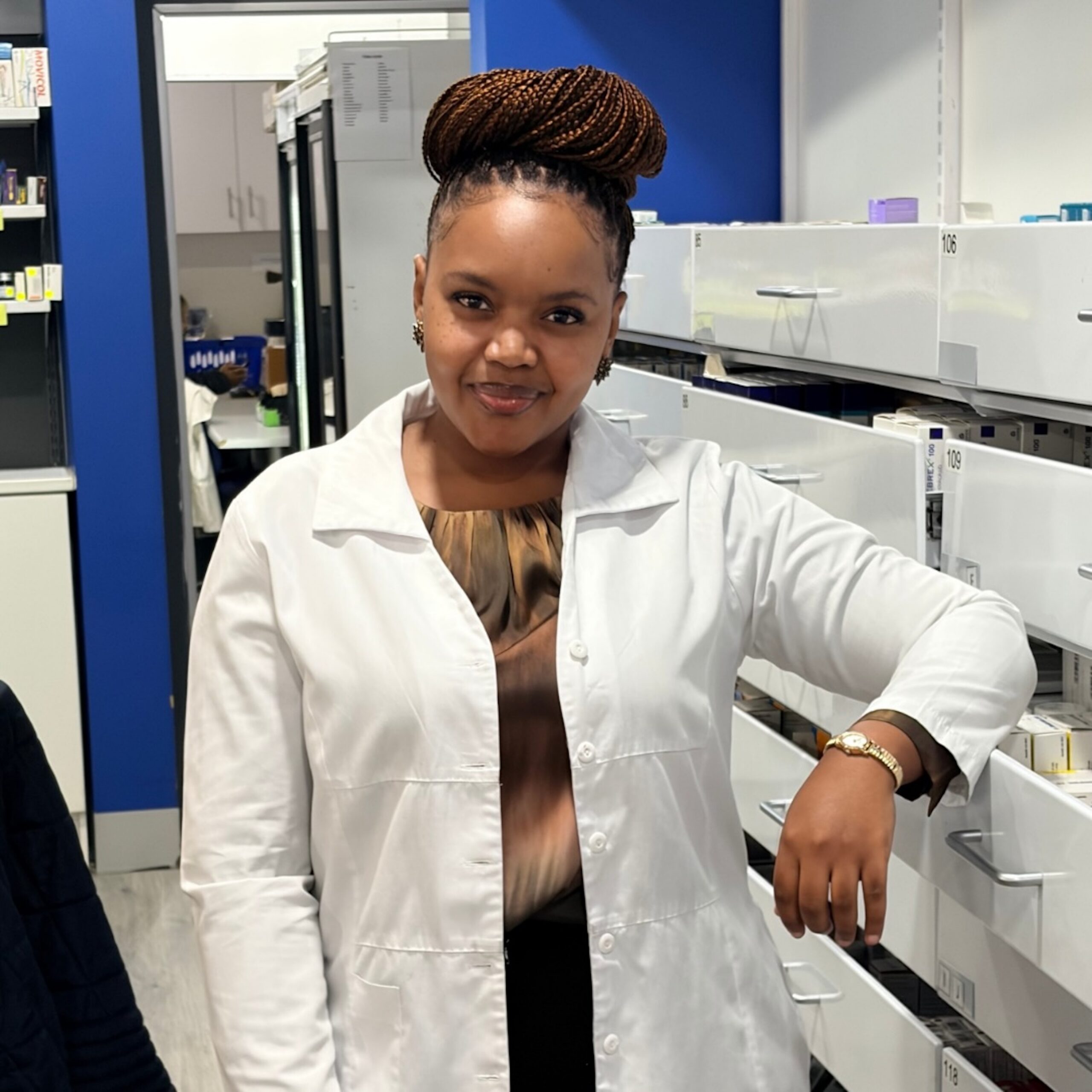
Although the terms are often used interchangeably, stress, anxiety, burnout and depression are not the same.
Stress is the body’s natural response to life’s challenges and is usually short-lived once the source of pressure has passed. Anxiety is characterised by persistent fear or excessive worry that persists even when there is no immediate threat.
Burnout develops after prolonged workplace stress that has not been successfully managed and is recognised by the World Health Organization as an occupational phenomenon.
“Depression, on the other hand, is a recognised medical condition that affects mood, thinking, energy, sleep, appetite and a person’s ability to function in everyday life. It responds to professional treatment, which may include counselling, lifestyle changes, medication or a combination of these approaches,” explains Ramokgola.
Medipost Pharmacy emphasises that many people overlook the early warning signs, believing they must just work harder or push through another difficult week. However, Ramokgola says persistent anxiety, changes in appetite or weight, sleep disturbances, feelings of guilt or worthlessness, withdrawing from family and friends, ongoing fatigue and losing interest in activities that once brought joy are all warning signs that should never be ignored.
“People often hope these symptoms will simply pass with time,” adds Ramokgola. “But if they persist or begin interfering with your daily life, it’s important to speak to a healthcare professional rather than trying to cope alone.”
She says pharmacists are often among the first healthcare professionals to notice when something more serious may be affecting a patient’s well being. “People often come to us looking for something to help them sleep, relieve headaches, manage ongoing fatigue or deal with digestive problems. Sometimes these symptoms are signs of prolonged stress, anxiety or depression rather than isolated physical problems. As pharmacists, we can help identify when someone may need to speak to their doctor or another healthcare professional instead of simply treating the symptom.”
“Mental and physical health are closely linked. Ongoing anxiety and depression can affect sleep, appetite, digestion, energy levels and cardiovascular health, underscoring the importance of seeking help early. Looking after your emotional well being is also an investment in your long-term physical health,” she notes.
South Africa’s unique social and economic pressures leave many people feeling overwhelmed. High unemployment, financial hardship, heavy workloads, and limited workplace resources mean that healthcare workers, teachers, emergency personnel, blue-collar workers, and middle managers remain among the most vulnerable to burnout, given the sustained pressure they face every day.
Ramokgola has observed a rise in young South Africans seeking help for anxiety and depression. “Awareness among younger people is improving, but stigma still prevents many from reaching out. There remains a misconception that struggling with your mental health is a sign of weakness, particularly among men. The reality is that recognising you need support is one of the strongest decisions you can make,” she says.
Fortunately, small daily habits can help reduce the risk of burnout before it becomes severe.
Ramokgola encourages South Africans to prioritise quality sleep, stay physically active, eat nutritious meals, stay hydrated and take regular breaks throughout the day. Setting realistic goals, maintaining healthy boundaries between work and personal life, practising gratitude and staying connected with family and friends also play an important role in safeguarding mental well being.
Not everyone experiencing anxiety or depression will require medication. Treatment depends on the individual and may include counselling, lifestyle changes, medication or a combination of these approaches. For those diagnosed with anxiety or depression, medication may be an essential part of treatment.
“Antidepressants help restore the balance of key brain chemicals that regulate mood and stress,” explains Ramokgola. “They do not work overnight and generally take four to eight weeks to reach their full effect. Taking medication consistently, exactly as prescribed, is essential.”
She cautions patients never to stop taking antidepressants without first consulting their healthcare provider, as abruptly discontinuing treatment may lead to antidepressant discontinuation syndrome and other unpleasant withdrawal symptoms.
Ramokgola also advises people experiencing depression or burnout to avoid excessive alcohol, unnecessary sedatives and high caffeine intake, as these substances may worsen symptoms or interfere with treatment.
As one of the country’s most accessible healthcare professionals, pharmacists are increasingly helping to bridge the mental healthcare gap, particularly in communities with limited access to specialist services. “Community pharmacists are often the first healthcare professionals people speak to. We can provide trusted advice, educate patients about their medicines, recognise when someone may need additional support, and refer them to the appropriate healthcare professional when necessary,” says Ramokgola.
Her message to South Africans is simple: “Don’t wait until you reach breaking point. Pay attention to the early warning signs. Rest before you are exhausted. Ask for help before you reach a crisis. Mental health affects all of us, and seeking help is never a sign of weakness.
“Mental health affects all of us at some point in our lives. Recognising when you need help is never a sign of weakness. The sooner you reach out for support, the sooner you can begin your journey to recovery,” Ramokgola concludes.
Ends.
For media enquiries, please contact MNA at the contact details listed below:
|
Issued by: |
MNA on behalf of Medipost Pharmacy |
|
For media enquiries contact: |
Martina Nicholson, Meggan Saville, Estene Lotriet-Vorster or Natasha Burger |
|
Telephone: |
011 469 3016 |
|
Email: |